A nutritionist’s guide to choosing trail food without breaking the bank or your guts.
There’s something about walking into an outdoor shop that makes you feel like you’re about to embark on a six-month expedition. You came in for some new socks but if you’re anything like me, suddenly you’re looking at freeze-dried lasagne, powdered smoothies, dehydrated beans, and enough outdoor cutlery to gear up a school camp.
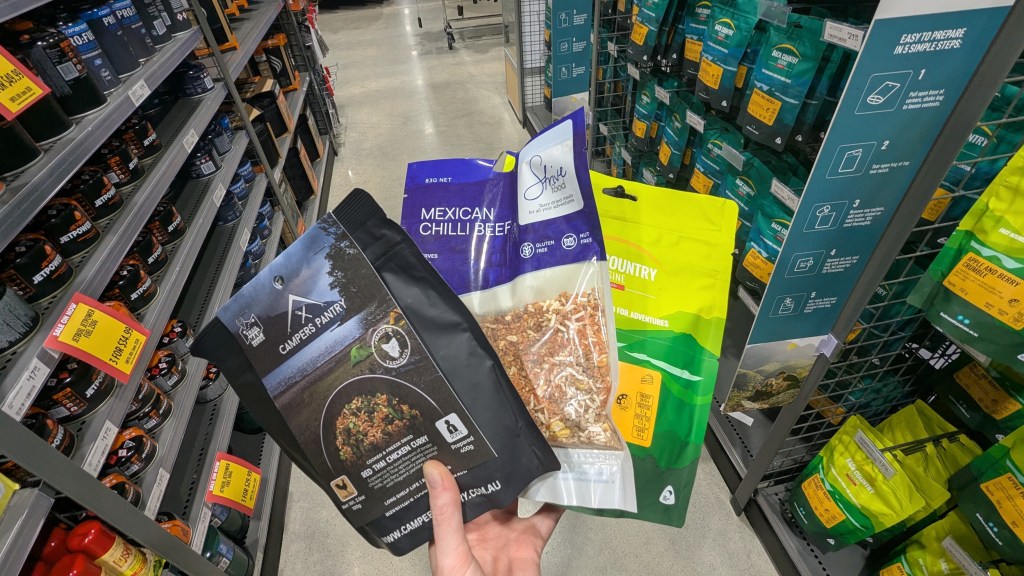
I’ve been working at my local Anaconda for about ten months now, and in that time I’ve managed to work my way through their entire outdoor food range, sadly with too few expeditions for my liking!
When it comes to the ideal hiking meals, I’m looking for food that does a job.
Fuels me.
Doesn’t weigh a tonne.
Is easy to eat.
Gives me some variety.
Agrees with my stomach.
And, ideally, make me happy when I’m 20km from the car.
I’m not always looking for the “healthiest” hiking food. I’m looking for food that does the job I need it for. Most of the time that means a very sensible nutritious freeze-dried meal for optimum fuelling and recovery. But sometimes it means chocolate. And occasionally it means a protein smoothie because even the idea of cranking up my Jetboil is too exhausting.
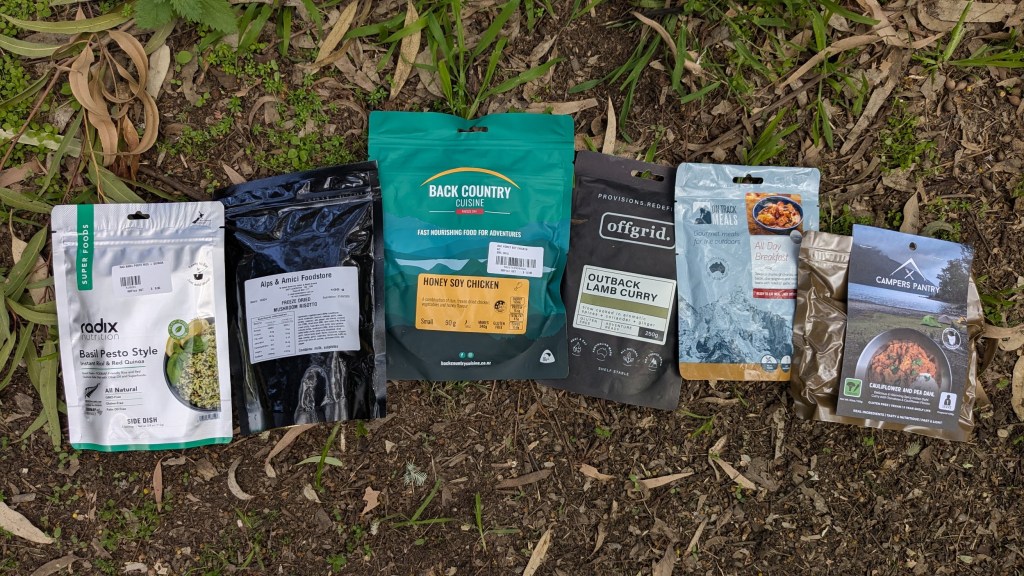
This criteria might make it sound like I’m being fussy… but I know I’m not alone in this. I’ve never been a fan of some of the more traditional expedition-style meals. Personally, I’ve found many of them to be overly processed, unpleasant-smelling and — let’s just say — far too efficient at getting things moving through my digestive system. That’s anecdotal, of course, and everyone’s gut is different. But I’ve also heard similar complaints from other hikers, customers, and those too dubious to progress from kitchen tests to the train.
This illustrates something important: Gut tolerance is part of hiking nutrition. If a food consistently doesn’t agree with you at home, it’s probably not the food I’d choose to road-test 30 km into the wilderness.
Enough Waffling, Here Are the Best Meal Options I’ve Bought From Anaconda:
Strive Meals: Like Wednesday Night Dinner But OutsideIf
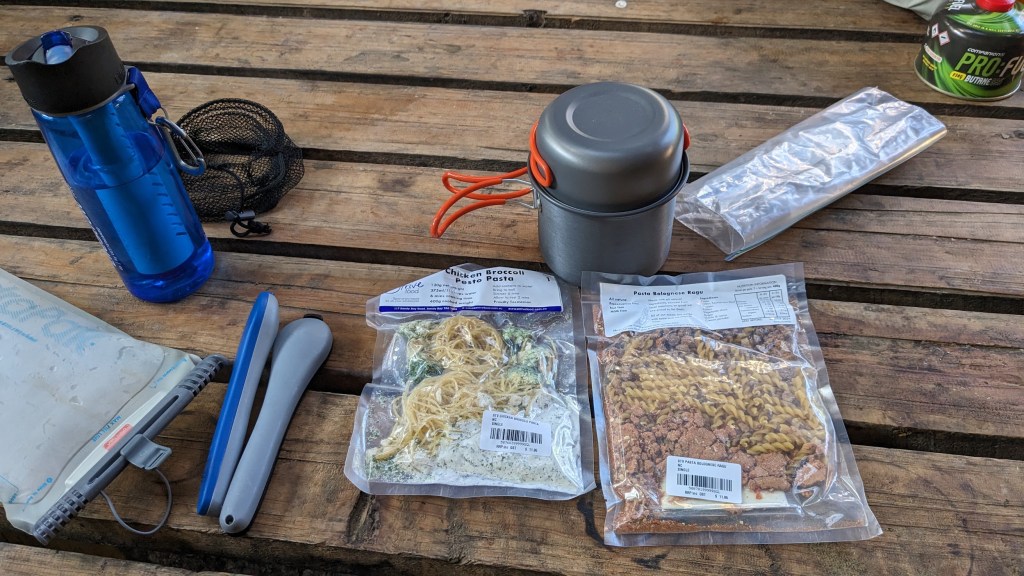
If I’m looking for a proper dinner for a multi-day hike, Strive is one of the first brands I’d reach for. Anaconda currently stocks seven Strive products, including Pasta Bolognese, Chicken Broccoli Pesto Pasta, Vegetable Laksa, Butter Chicken, Mexican Chilli Beef, Chocolate Pudding and Mountain Muesli. I’ve tried Strive on trail and I absolutely love it. And that matters. Because a meal can have an absolutely beautiful nutrition panel, but if I don’t want to eat it after eight hours of hiking, it’s not doing its job.
My pick of Anaconda’s range: Strive Pasta Bolognese
This is exactly the sort of trail meal I like. It’s recognisable food. Pasta. Tomatoes. Onion. Garlic. Herbs. Tasmanian beef. And, perhaps most importantly, an entire sachet of parmesan to add after cooking. Because civilisation is not completely dead on trail.
Anaconda says the meal contains 100% Tasmanian beef, has no added preservatives and no nuts. Preparation is also beautifully simple: add water, bring it to the boil, allow it to rest for two minutes and eat. It’s currently listed at $14.99. It tastes like something I’d cook at home and it’s endlessly comforting at the end of a tough day sitting in the cold. Quick. Familiar. Satisfying. Minimal faffing.
Campers Pantry: The Best Packaging When Weight Matters
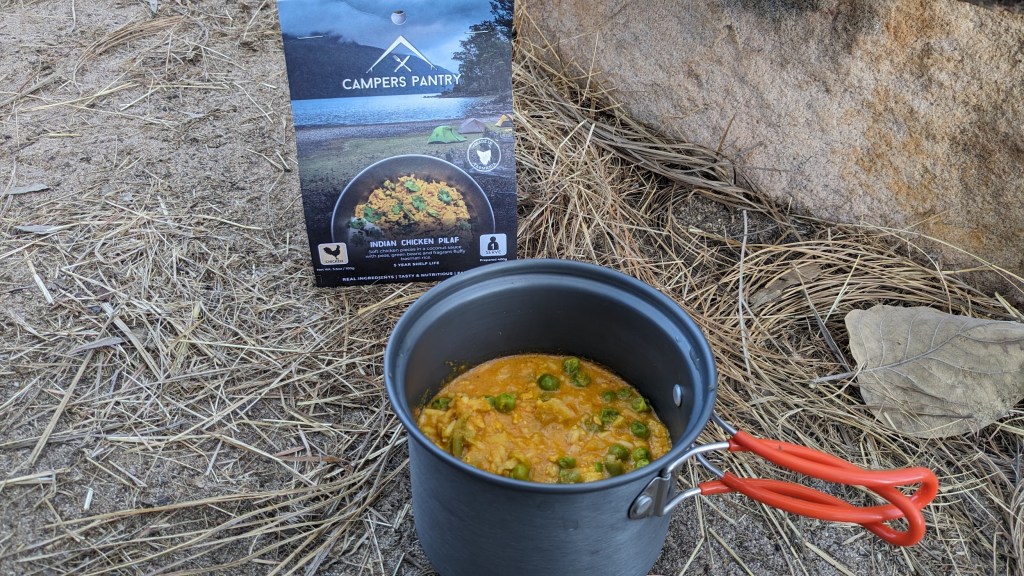
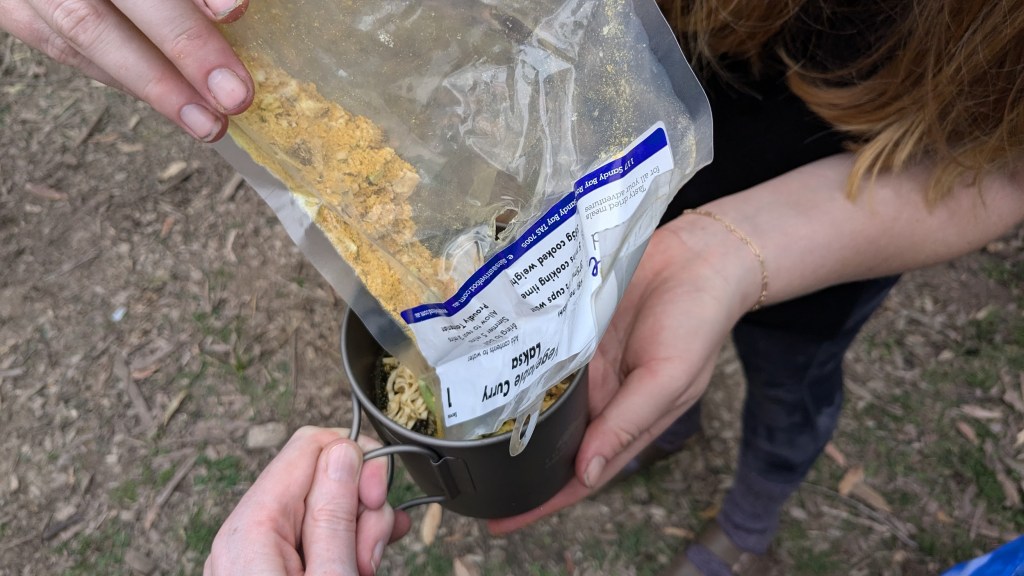
Campers Pantry gets bonus points from me for solving one of the most annoying problems in backpacking: What am I supposed to eat this out of, and how annoying will it be to clean up? Their expedition meals come in compact packaging designed to be prepared and eaten directly from the pouch. Which means: Boil water. Pour it in. Wait. Eat. No bowl. No saucepan full of food. No emptying every crevice of your pack looking for the ¼ size scrubber sponge you packed to clean the pot. Love it.
Anaconda currently stocks several Campers Pantry expedition meals, including BBQ Beef Brisket, Penne Bolognese, Indian Chicken Pilaf, Chicken Cacciatore, Cauliflower Pea Dahl and Mexican Spiced Beans.
The Mexican Spiced Beans are a particular favourite. The ingredients are refreshingly recognisable: Five bean mix, rice, passata, roasted red capsicum, onion, vegetable oil, cumin, corn flour, garlic and spices. Beans and rice are a useful combination for a hiking meal because you’re getting carbohydrate alongside plant protein and fibre. One caveat: If your gut is sensitive to beans, don’t discover that 40km into your hike. Test it at home first. Your digestive system does not care that you have beautiful mountain views.
Final tip: Make sure you bring a long-handled spoon. Seriously. The Sea to Summit Frontier Long Handle Spoon is specifically designed for eating from deep freeze-dried food pouches. It’s lightweight, durable and long enough to reach the bottom without coating your hand in dinner. This is one of those pieces of hiking gear that seems completely unnecessary until you’ve attempted to scrape the last bit of bolognese from the bottom of a pouch with a tiny teaspoon. Just get the thing, you’ll never need another one.
Radix Berry & Banana Protein Smoothie: Lazy Meal & Recovery Aid
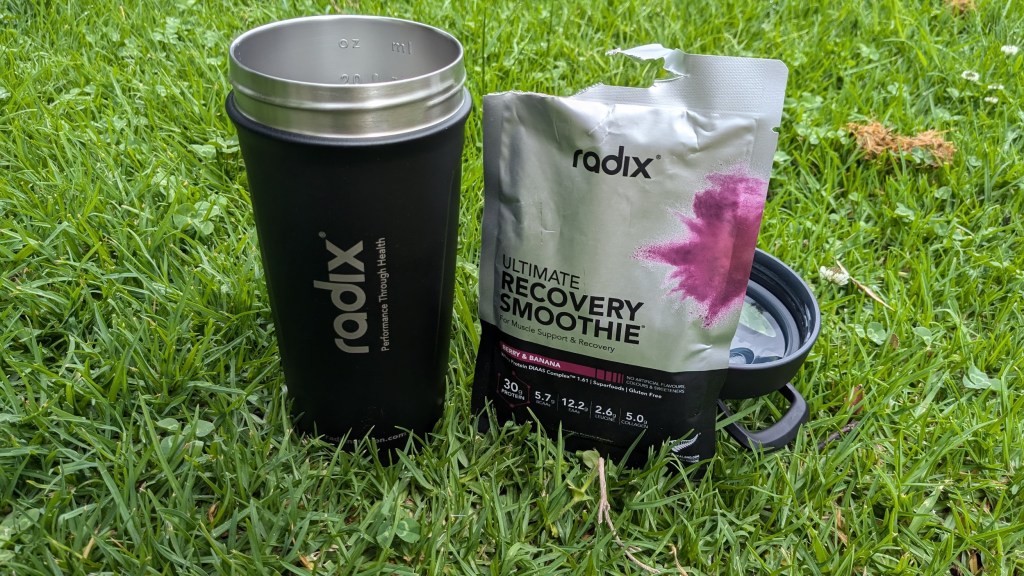
I’ve taken the Radix Berry & Banana Protein Smoothie on trail several times and genuinely rate it. Each 48g sachet provides 25g of protein and 17 essential vitamins and minerals. You simply mix it with water. Now, I’m not going to tell you that protein powder is essential after every hike. It isn’t. If you’re finishing a day hike and heading straight to a pub for a proper meal, congratulations: not only is it going to taste incredible but it’s perfect recovery fuel.
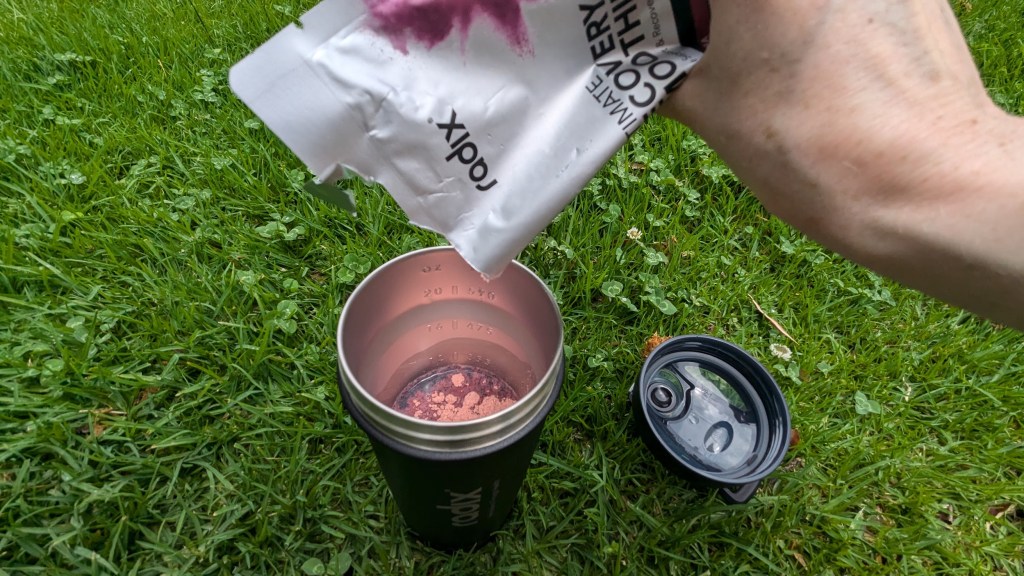
But on a multi-day hike, things get different. When you’re hiking day after day, you’re not just thinking about today’s energy requirements. You’re also trying to support recovery between efforts. Protein provides amino acids needed for muscle protein synthesis, and consuming adequate protein alongside sufficient overall energy is important for recovery and adaptation to training. The Radix smoothie is useful because it’s lightweight. Easy to mix. Easy to drink. And provides 25g of protein in a compact sachet. It’s particularly handy when your appetite isn’t great after a big day or you’re too exhausted to battle with cooking in the middle of a downpour.
I’ve been there and never been more grateful for a meal in a bottle in my life. Just don’t confuse it with your entire recovery or fuelling strategy. Protein is one piece of the puzzle. You still need enough total energy, carbohydrate, fluids and actual food.
Thortz Electrolytes
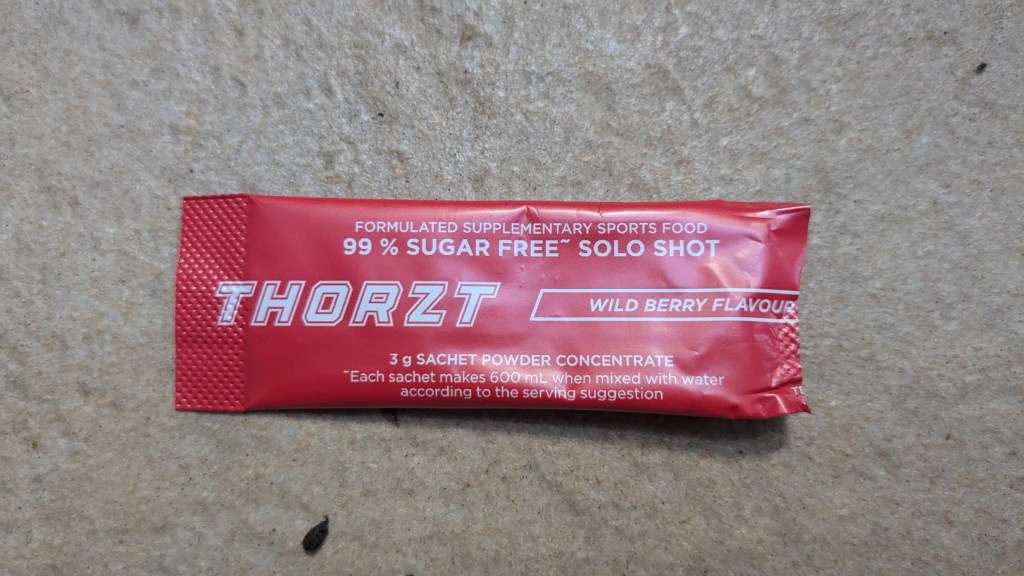
Anaconda also stocks Thortz Sugar Free Hydration Shots, which I rely on when my usual electrolyte isn’t available. I’m normally a Sodii Eelctrolytes person, particularly because I prefer a higher sodium product for long, hot, or sweaty days. But Sodii isn’t sold at Anaconda. Before I started using Sodii I was a Thortz addict and I’ve always got a few sachets floating around for emergencies.
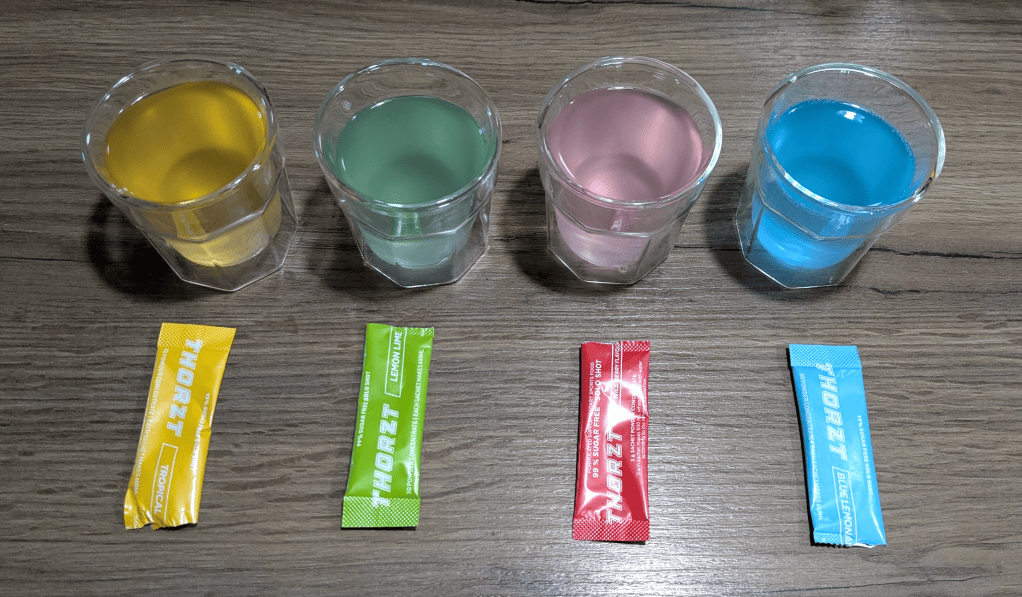
Note: If you want to try Sodii, enter HIKESMART at checkout for 15% off. You’re welcome! Be warned, they have a much saltier taste profile than the Thortz electrolytes. Thortz taste sweet.
The important thing to notice about electrolytes is the sodium content. A Thortz shot provides around 220mg of sodium, alongside potassium and magnesium and a range of other ingredients including B and C vitamins, L-glutamine and BCAAs. That makes it quite different from a high-sodium electrolyte such as the one I usually carry. 220mg sodium isn’t a huge amount for a very sweaty hiking day. I normally roll with 1000mg of sodium for any hike over 3 hours. So I wouldn’t look at one sachet and assume I’ve completely replaced substantial sweat sodium losses.
Depending on the duration, heat, sweat rate, and what else you’re consuming, you may need more than one serve or additional sodium from food. And this is exactly why I keep coming back to the same point: Look at what’s actually in the packet. “Electrolytes” is a category, not a dosage.
The Thortz electrolytes taste delicious and give you valuable nutrients at the same time.
The most important thing to consider with hiking food is: will you actually eat it?
This is where hiking nutrition gets interesting. When you’re walking for eight or ten hours, your food has to survive more than the nutrition panel. It has to survive you.
Your appetite.
Your taste preferences.
The weather.
Your increasingly questionable mood.
And the moment at 4pm when you realise you’ve been looking at the same muesli bar since sunrise and would rather eat the wrapper.
Palatability and variety matter. I’ve hiked for hundreds of kilometres with a sad little baggie of mixed nuts keeping me company from beginning to end, only to be saved for the next hike. It doesn’t matter how nutritious your planned food is. If you don’t eat it, it’s pointless. Better to have some chocolate and get some calories for energy than nothing at all.
So what would I actually buy from Anaconda for a hiking trip?
If I were heading into Anaconda to stock up for a multi-day hike, my basket would look something like this:
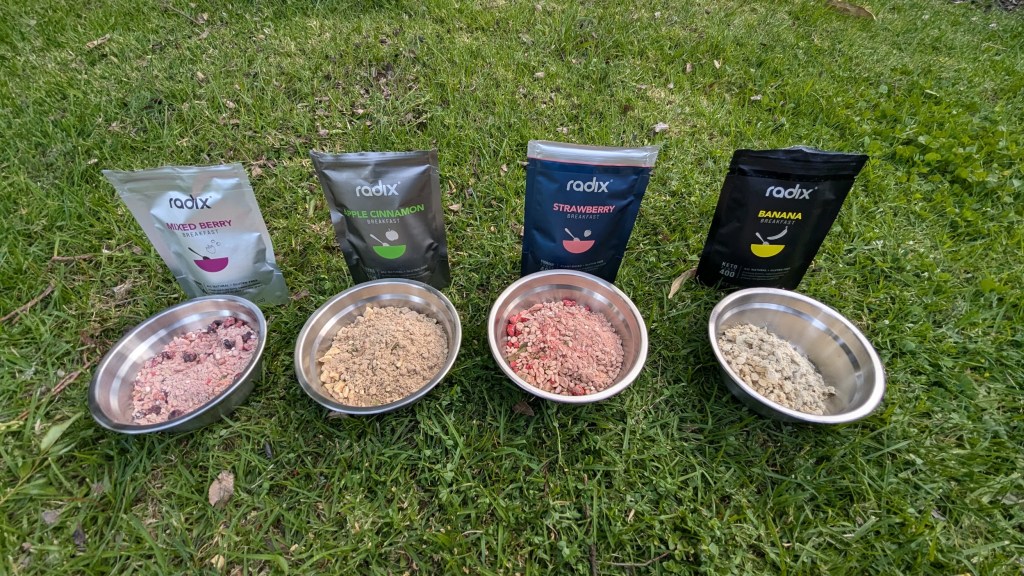
For breakfast: Strive Mountain Muesli or Radix Ultra Breakfast Apple & Cinnamon
Both of these are absolutley bloody delicious and the Radix one is enough that I’ll often skip lunch or do fine just snacking on nuts and dried fruit until dinner. The Radix Ultra Breakfasts are great because they can be eaten hot or cold and taste just as nice. I actually prefer them cold. I haven’t tried the Strive Mountain Muesli cold yet.
For lunch: Campers Pantry Mexican Spiced Beans
Particularly appealing if you want a plant-based option with beans, rice and plenty of flavour.
For dinner: Strive Pasta Bolognese
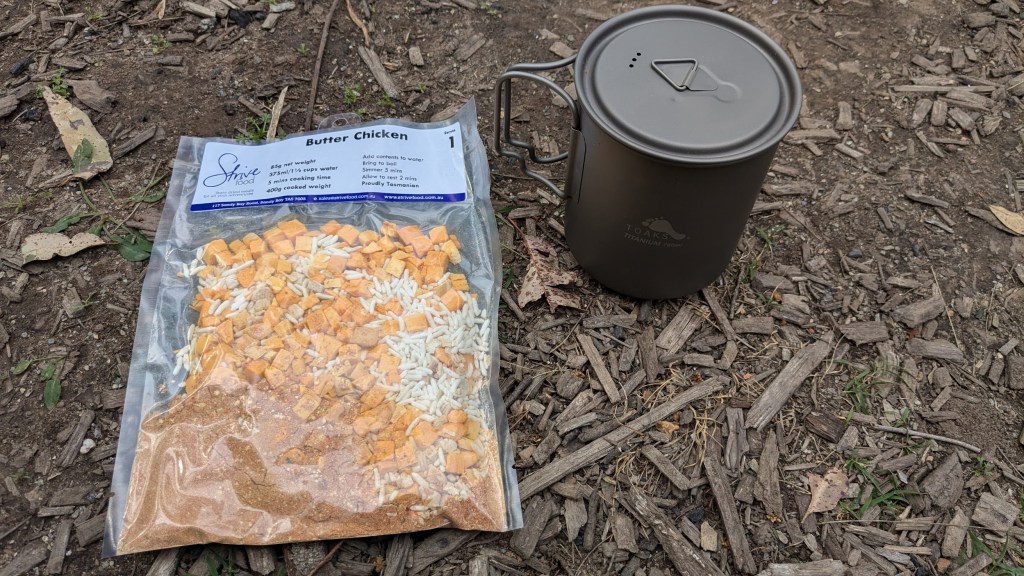
Familiar, substantial and easy to prepare, with Tasmanian beef and parmesan. I’d also look at the other Strive meals depending on what I fancied. The range currently includes Chicken Broccoli Pesto Pasta, Vegetable Laksa, Butter Chicken and Mexican Chilli Beef.
For recovery after dinner or a mid-afternoon pick-me-up: Radix Berry & Banana Protein Smoothie
25g protein in a tiny sachet is pretty useful when you’re carrying everything on your back. Some people will have more restless sleep if they consume protein immediately prior to bed, so if you haven’t taken it before, I generally recommend having this in the afternoon on trail. You’ll still get the recovery benefits from the protein, and your sleep is likely to be more restorative if your body isn’t concentrating on digesting the protein for half the night.
For electrolytes: Thortz Sugar Free Hydration Shots
A reasonable option for most hikers when shopping at Anaconda, particularly when combined with sodium-containing food, which most dehydrated food has in spades. If you’re embarking on a particularly hot and sweaty day with a dramatic increase in water intake, consider two sachets throughout the day instead of just one.
Something fun. Obviously
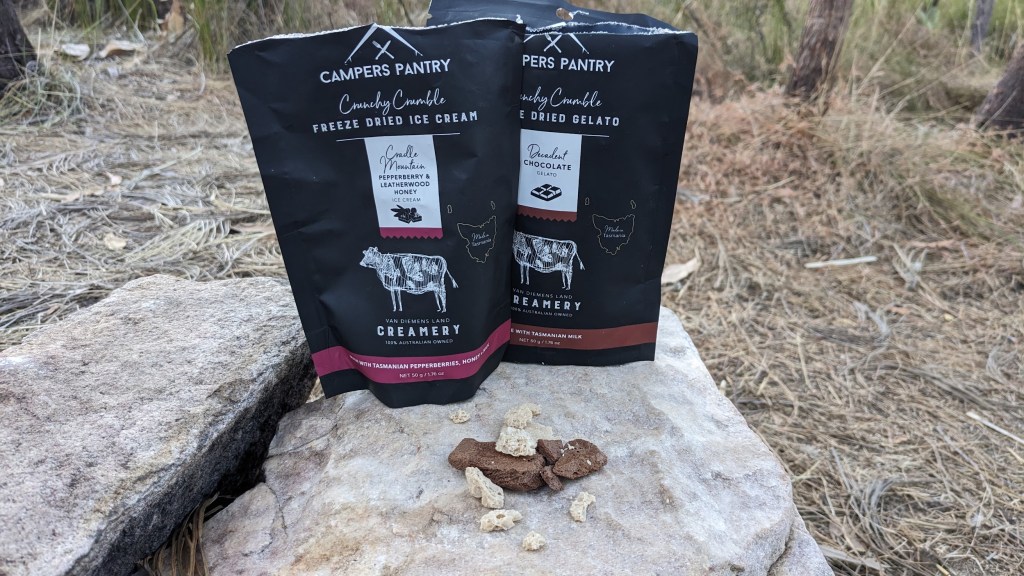
Anaconda has plenty of options here: Clif Bars for easy trail fuel (find them located near the checkout in most stores!), Strive Chocolate Pudding for the ultimate dessert, or go completely wild with Campers Pantry dried ice cream. Is freeze-dried ice cream necessary? No. Will it make you very popular at camp? Absolutely. It’s surprisingly rich so it makes it perfect for sharing, one bag goes a long way.
And the piece of equipment I would absolutely buy: Sea to Summit Frontier Long Handle Spoon or the Mountain Designs Long Handled Spoon
Because dinner tastes considerably better when you don’t have to put your entire unwashed hand inside the packet to get the last mouthful.
The bottom line
You don’t need to buy the most expensive hiking food. You don’t need every snack to be a nutritional masterpiece. And you certainly don’t need to eat food you hate simply because the packet says “EXPEDITION.”
For me, good hiking food comes down to a few simple questions:
If the answer is yes to all of those, you’ve definitely found a winner. I’ve picked the Anaconda products above based on what I’ve genuinely taken in my own pack and eaten on multiple occasions, rather than simply choosing whatever has the most impressive-looking nutrition claims.
Does it provide useful fuel?
Is it reasonably lightweight?
Will I actually eat it?
Will my stomach tolerate it?
Does it give me some variety?
Is it easy to prepare?
And perhaps most importantly, will I still be happy to see it after 20 km?
And that’s probably the best rule of all: The best hiking food isn’t the food that looks healthiest on the shelf. It’s the food that gets eaten.
Happy hiking homies!


Leave a Reply