Maggi Two-Minute Noodles were my favourite meal as a kid. And I still like them.
I can almost hear your eye roll. Yes, I’m aware that they’re probably about as nutritious as cardboard, if all the haters over the years are to be believed.
Despite their crappy reputation, I still like them and that counts for something. An apple might be the healthiest food item in the world but if it makes you gag, you won’t eat it.
And I love Two-Minute Noodles.
These nifty noodles were my go-to meal as a beginner hiker, and I’ve seen plenty of others eating them on multi-day hikes.
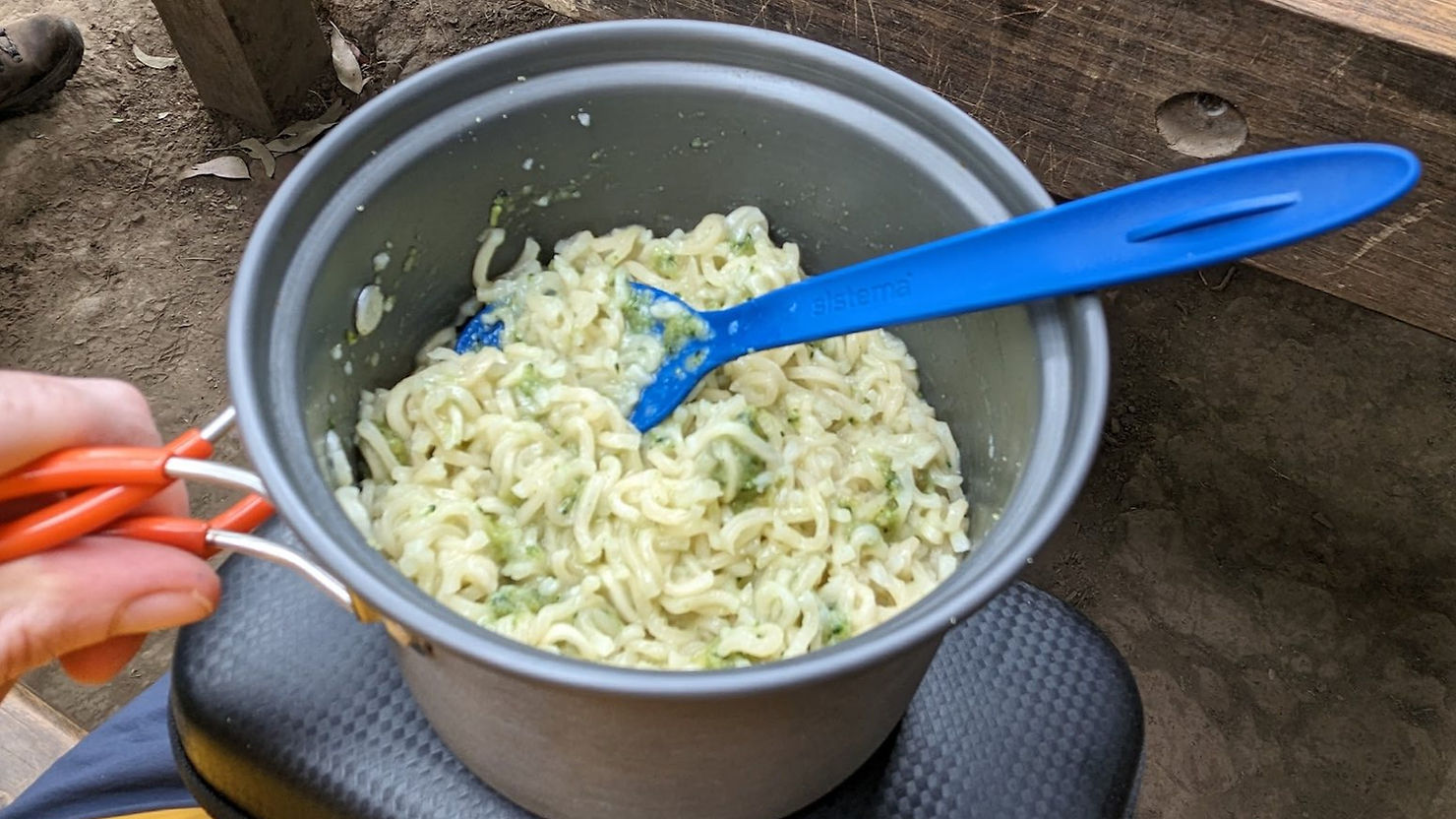
As I nutritionist I figured it was high time I crunched the numbers and checked how good (or bad!) they actually are. To be super thorough, I also took them as my main daily meal for the Overland Track hike just to see what it felt like to rely on them days in a row.
Maggi Noodle Breakdown
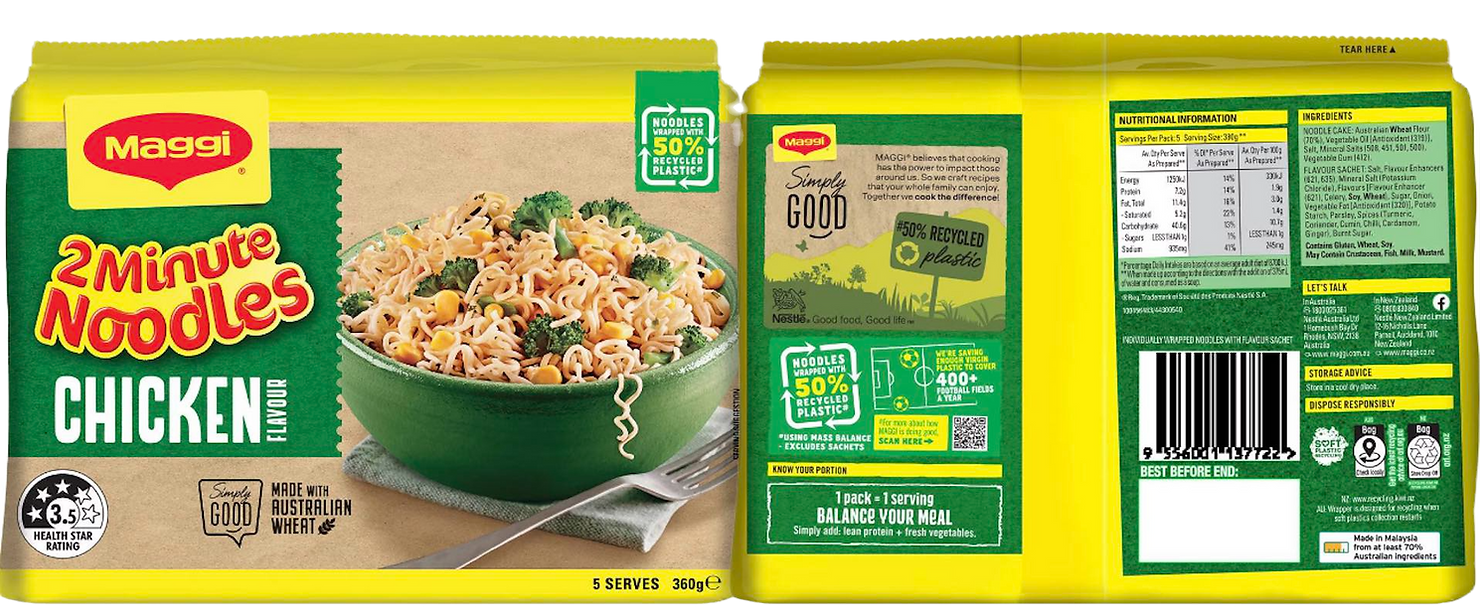
Maggi Two-minute noodles, or instant ramen, have a reputation for being a speedy, budget-friendly meal. Here’s a quick look at what’s in those tasty little packets:
- Calories: A single 380g serving packs 298 calories
- Protein: 7.2 grams per serving
- Carbohydrates: 40.6 grams
- Fats: 11.4 grams of fat, with 5.2 grams of saturated fat
- Sodium: 935mg per serving, which can be a concern for hypertension if you’ve got heart problems and are eating these on sedentary days, but is actually quite useful for the trail when you need to replenish sodium lost through sweat
Nutritional Pros and Cons
The Pros:
- Convenience: Ready in minutes. Perfect for when you’re setting up camp and just want something hot
- Lightweight: Packs small and doesn’t add much weight to your gear
- Versatile: If you run out of gas, or forget your stove (it happens!) you can crush the noodles in the bag, sprinkle on the flavouring and eat them dry
- Good Fat Content: Paired with decent carbohydrate content, this fat content provides a dense energy source
The Cons:
- Low Protein: Not ideal if you’re looking to build or maintain muscle on your trek. Protein is crucial for muscle repair, especially after a long day on the trail and this doesn’t offer enough to sustain you, let alone assist in muscle repair
- High Sodium: Only a problem if you’re consuming these at home / on rest days when you’re not working up a sweat
- Low Nutrient Density: Lacks essential vitamins and minerals, which are important for sustained energy and overall health
- Saturated Fat: This is bad for heart health and is an indication that this product should be avoided by people with heart issues
Better Alternatives?
- If you’re set on having a warm meal, consider these more nutritious options:
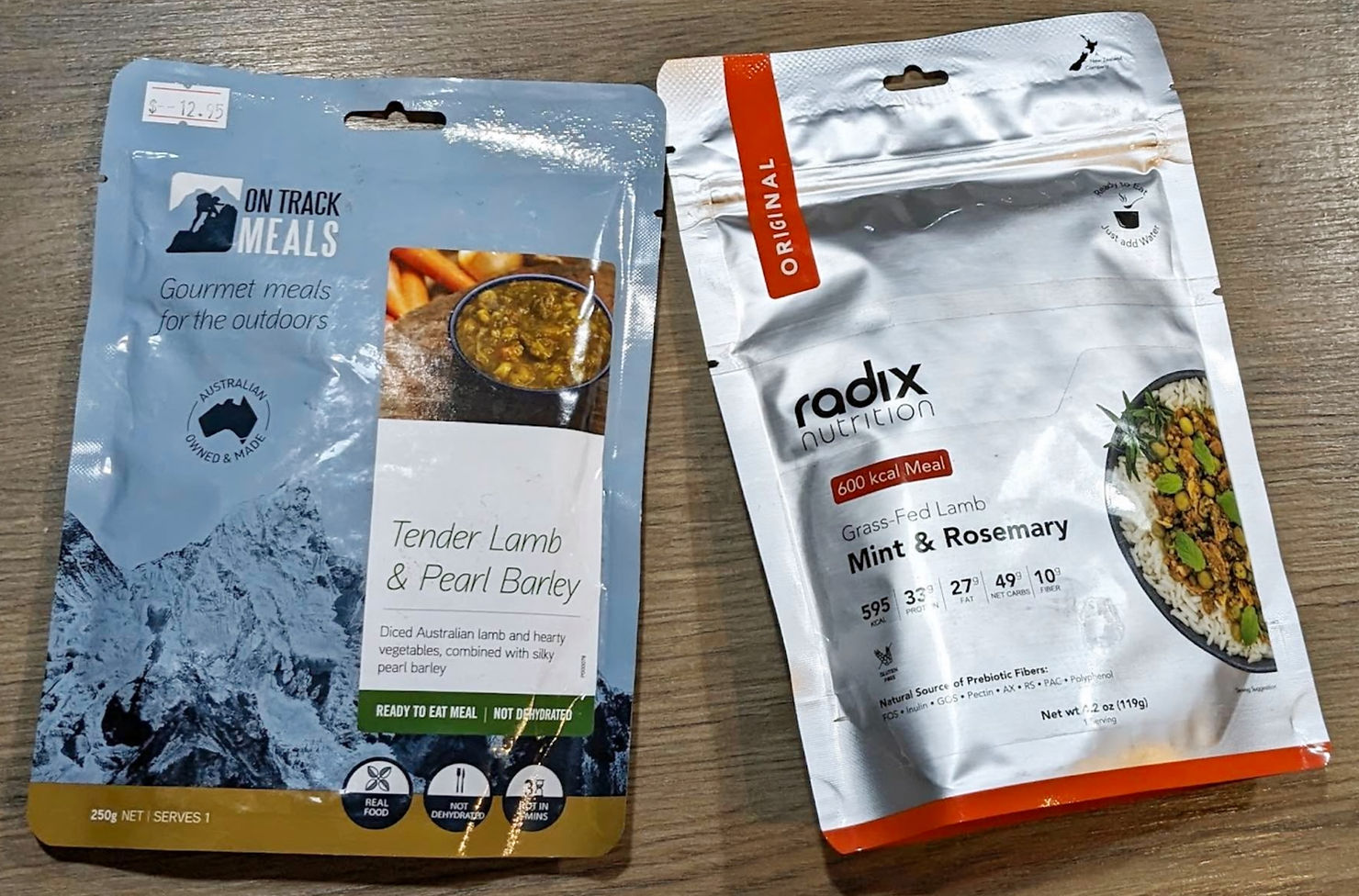
- Dehydrated or Freeze-Dried Meals: These meals are designed for hiking and usually offer a balanced mix of protein, carbs, and essential nutrients from real, fresh foods
- Trail Mix with Nuts and Seeds: Provides protein and healthy fats
- Quinoa or Couscous: Almost as quick to prepare and can be fortified with protein-rich ingredients like dried beans and lean meats
Key Takeaways for Your Hiking Menu
- Balance Is Key: Instant noodles are fine occasionally, and with similar macros to many protein bars are actually a pretty decent trail snack, but for the most bang for buck, aim to balance them with nutrient-dense foods
- Add more: If you love the taste of two-minute noodles, consider using them as a base for your dinner. Pair them with dehydrated vegetables, sprinkle on some nuts, or even add them to soup! The energy provided from two-minute noodles is akin to a snack, not a meal
- Watch the Sodium: High sodium levels like this can be bad news for anyone with hypertension or existing heart health issues. While the additional salts will help your electrolyte balance if you’re sweating profusely, the total energy supplied isn’t enough to sustain such activity, so you’ll most likely be hungry and struggle to recover well
- Protein Power: Incorporate protein-rich foods to your noodles to aid muscle recovery and ensure you’re eating more calories than you’re burning
So, Should I Take Maggi Two-Minute Noodles On My Hike?
Maggi Two-minute noodles certainly aren’t all bad. For the ultralight hiker, they tick a lot of boxes.
Are they the best meal you can take? Absolutely not.
Are they better than nothing? Yes.
For short, easy hikes for people who are otherwise healthy, I’ve got no problem with them. My recommendation would be to take dehydrated vegetables to add to them. I also like the idea of sprinkling in some jerky for some textural variety and added protein.
For hikes longer than an overnighter though, I don’t recommend them. They don’t supply enough energy to get you through a moderately tough day on the trail or support recovery.
I got through my two-minute-noodle powered trip on the Overland Track thanks to frequent snacking on high energy density nuts, and a tonne of muesli and protein bars. And a fair amount of daydreaming about steak.
My performance wasn’t ideal. I was underfed, my body was starved of vital nutrients, and I was sore and recovery was far slower than normal.
I see so many hikers relying on noodles alone for meals, so hopefully this post has helped explain a little more of the logic behind why that’s not the best decision unless you’ve made up for it elsewhere in your day. Hit me up in the comments with any questions.
 The Hiker's Nutritionist
Leave a comment